

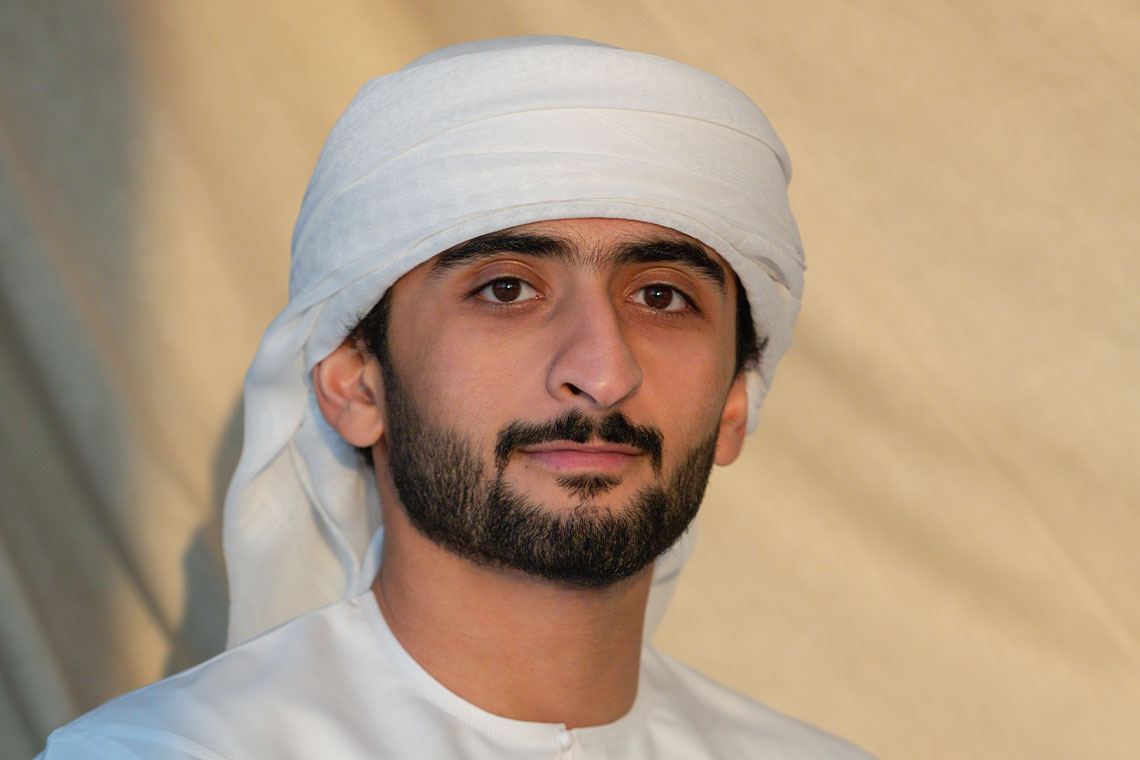
Through a multidisciplinary and narrative-led approach, the artist investigates cultural memory and the shifting nature of archives.
Canvas: Your work often deals with memory, belief systems and the construction of meaning over time. Do you see archives as fixed records of truths or as living and evolving spaces?
Maktoum Al Maktoum: My role is to ask this question. I do not think context is fixed – it varies. The definition of what an archive is, and what it stands for, differs. I seek to pose that question to both myself and the viewer exploring any sort of existing or fictional framework. I don’t approach my work with a predetermined set of answers. Rather, I work from a position of questioning.
How do generational knowledge, rituals and inherited practices influence your work, particularly in relation to identity and belonging?
For many of us in the region, many of our traditions and generational knowledge are passed down through human interaction and behaviour, often orally. This leaves room for nuances. Additionally, due to the rapid development within our region there are gaps arising in this knowledge. Our interpretation or relationship to these traditions differs from one generation to another, and it’s always interesting to see how the younger age group tries to reconnect with or digest the past of their ancestors within contemporary life.
Much of my practice is an internal exploration that manifests itself as physical artwork, written concepts or other forms for the viewer to engage with. My art is my interaction with these gaps, with the knowledge passed down to me or which I am in the process of creating.
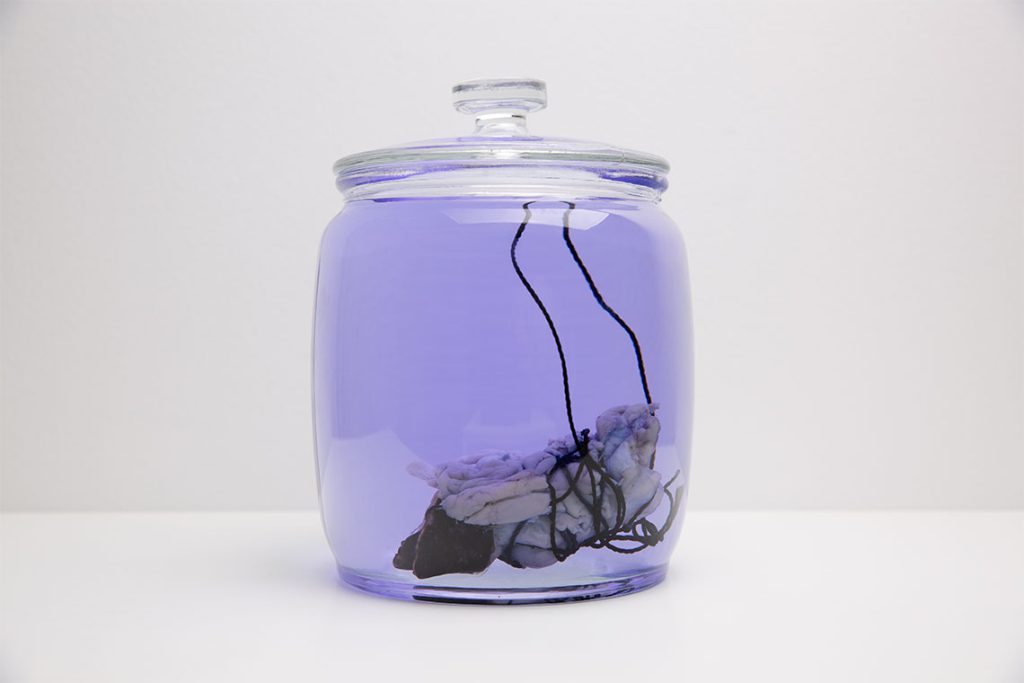
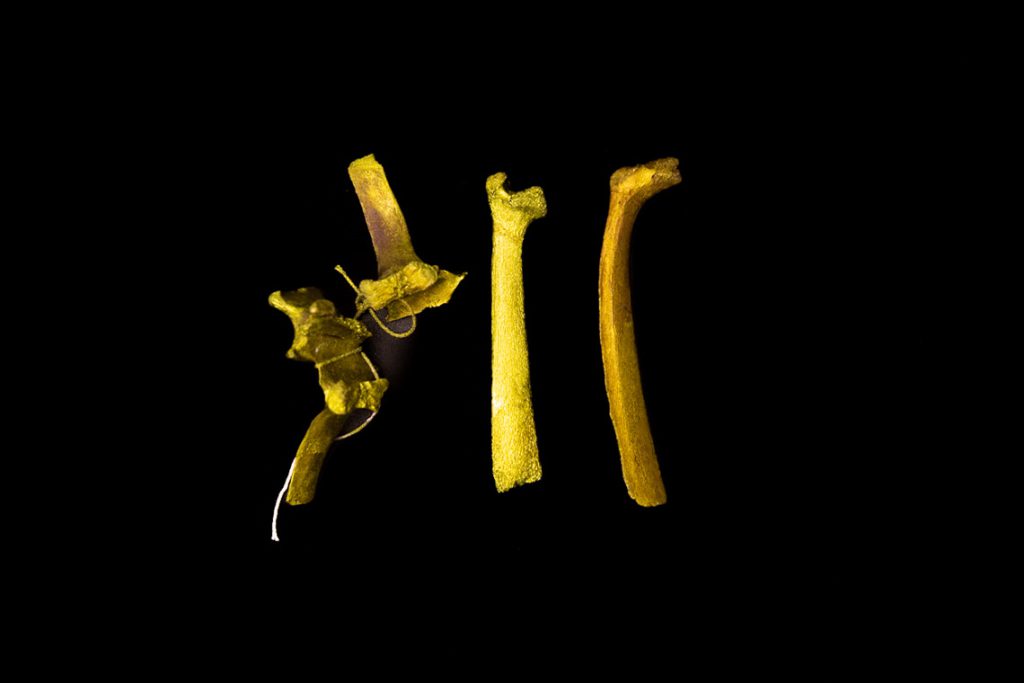
In Frames of Value (2023) you work with found gazelle and camel bones dyed using burqa indigo, a material and colour deeply tied to regional tradition. What drew you to these items as carriers of cultural memory?
I was exploring the materials separately as experiments in how time interacts with physical objects. The crossover came from initial experimentation on how time moves through an object slowly, and how dye accelerates this process visibly. I was drawn to indigo dye in particular because of its oxidation process, which transforms the colour from purple to green and eventually to a muted black. This transformation embodies time itself and has since evolved within the work to take on more metaphorical meanings related to temporality.
It was also fascinating to consider the cultural context of the material. Although many associate indigo with our region, it was originally developed in India and adopted here through historical interaction with other cultures. Seeing it so closely linked to local tradition, while recognising its global origin, added another layer of meaning to the work.
Who do you think gets to decide what becomes history and what is forgotten?
History has always been shaped by whoever has access and influence. Today, with the internet, more people can document and solidify narratives. This development broadens the role of who can shape history, although only time will determine what sticks and what doesn’t.
Do you think digital documentation, social media and video archives change the way in which cultural narratives are preserved and consumed?
Absolutely. There is more room for misinterpretation. Anyone producing creative work should take ownership of how their work is archived, as controlling one’s narrative is increasingly essential in the digital age.
How do you navigate the line between fact and fiction when constructing these narrative worlds?
I don’t try to navigate it. In fact, blurring that boundary is often the most enjoyable part of the process. I find it interesting to work in parallel with our perceived reality, grounding something and then expanding it, which allows for exploration. Similar to watching a fantasy film, the relatable elements anchor the narrative. In my work, framing ideas while blurring lines creates room for new narratives.
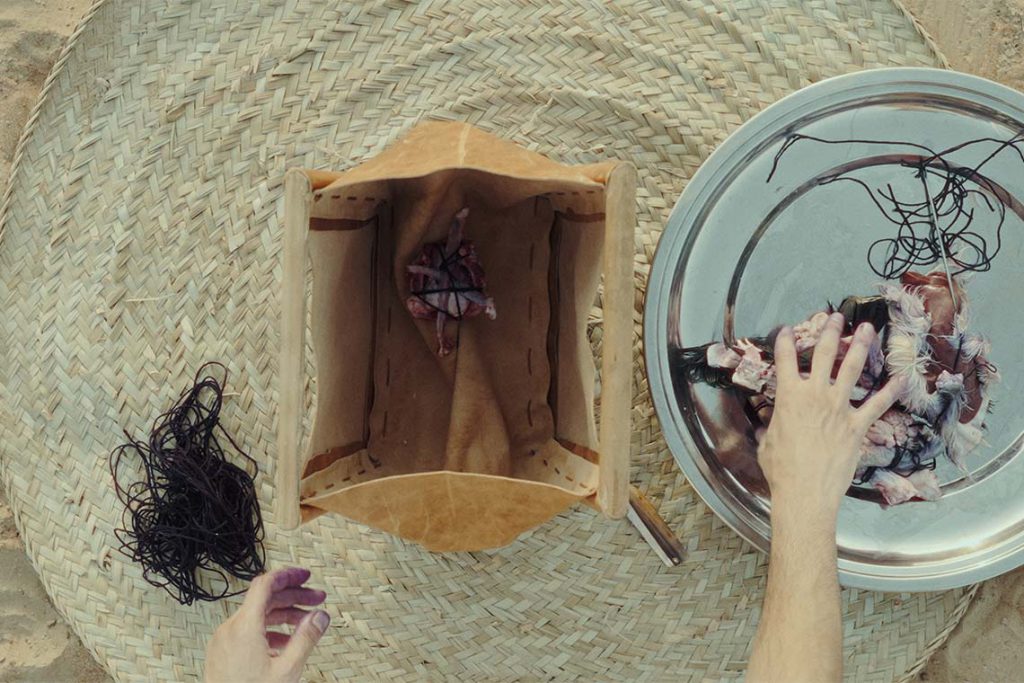
You engage with an ancient mnemonic practice in your work HISS: A Handicraft (2025). What drew you to explore this handicraft?
The work emerged as a fully formed visual in my mind. I drew on the meanings of body parts and organs, while considering the role of traditions, handicrafts and generational knowledge of today. HISS: A Handicraft was conceived in three parts – the scientific study, the video and the jars – offering multiple entry points for engagement. Through this structure, the work reflects on time and on how knowledge is stored, altered and reinterpreted across generations.
If remembering the past also means reconstructing it, what do you hope audiences might take away from the histories you build in your work?
Once the work exists in the world, the audience has as much claim to it as I do. Rarely do viewer interpretations resemble my own. Their questions and references usually differ. I hope audiences leave with more questions than answers. A work that answers more than it asks does not interest me.
