
We are, in the end, what we have lived through.
What we call a life is perhaps nothing more than its visible record. The marks that experience leaves on the body, the face, the surfaces we touch and are touched by are not signs of damage. They are proof of having been here.
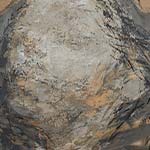
Ahmad Tallaa’s practice begins with the artist books at the foundation of this exhibition; handmade from recycled materials and raw canvas, they hold the earliest gestures of an inquiry that the larger works then carry into form. From these pages, the work expands into the large-scale portraits at the centre of the show. Built from layers of sand collected in the UAE, chalk powder, pigments, and acrylic, their surfaces are dense and almost sculptural. Faces do not sit on the canvas so much as emerge from within it, as though the act of painting were one of excavation rather than construction. Cracks, scars, and accumulated marks become evidence of time’s passage. The face here is neither victim nor survivor. It is a witness.
A tile installation of recycled wood panels extends this logic across the wall of the gallery. Faint facial features drawn into each surface hover at the edge of visibility, asking to be looked for rather than looked at. The sculptures, depicted in sleeping postures, hold the same tension: between formation and collapse, peace and transience, presence and dissolution.
The Living Archive does not offer resolution. It proposes something more honest: that what experience leaves behind is not absence. It is presence, transformed. As Adonis reminds us, what we are is not a fixed condition but an ongoing process, we are not the ones we are, but the ones we are becoming. We are all, in this sense, living archives. And what we carry is not the weight of the past but its proof.
Press release from Firetti Contemporary
Image: Ahmad Tallaa. Untitled. 2026. Detail. Mixed media on canvas. 80 x 80 cm. Image courtesy of the artist and Firetti Contemporary