

The Canvas team highlights shows from around the world to check out in January.
Limiar at the Instituto Tomie Ohtake
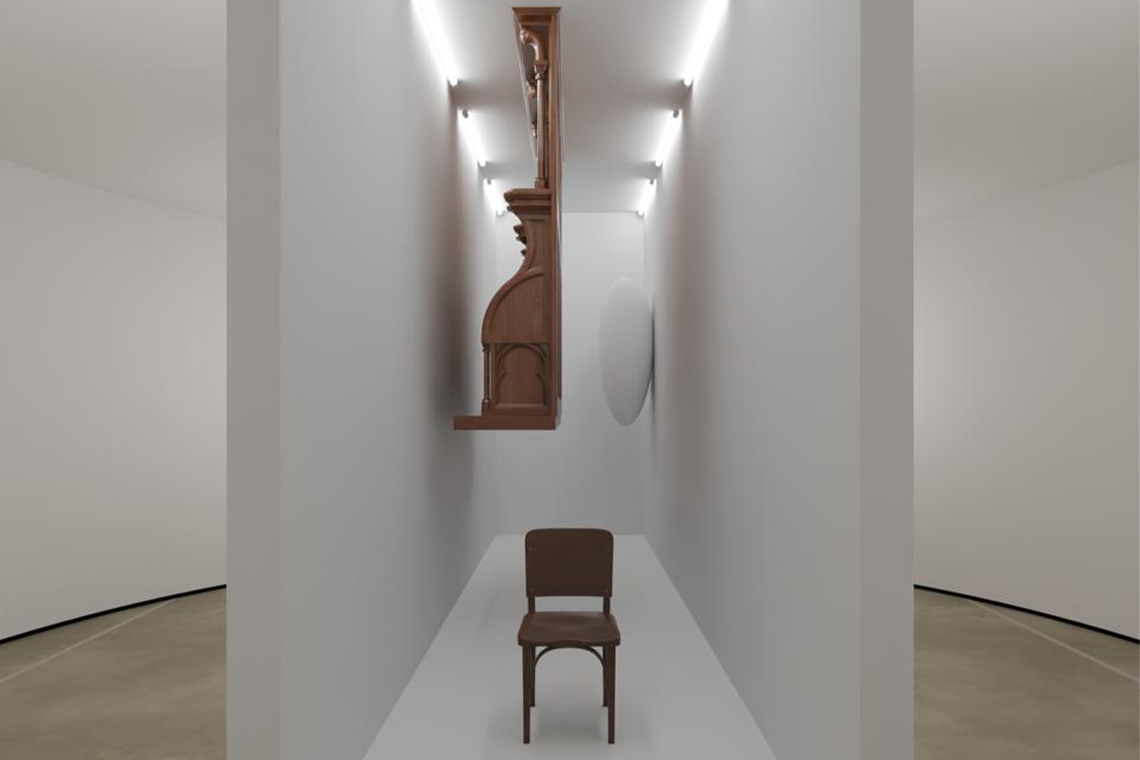
Presenting his first solo show in São Paulo, Tarik Kiswanson’s Limiar transforms the Istituto Tomie Ohtake into an enveloping space that reflects on migration, memory and belonging. Originally conceived for MAM São Paulo’sGlass Room, the adapted installation brings together three suspended elements: a chair found in Brazilian immigration offices in the 1950s, a nineteenth-century Belgian church pew, and Kiswanson’s cocoon-shaped installation, Cradle. Together they evoke origin, absence and future in an environment where histories of exile, displacement and identity quietly intersect.

And After at the Cultural Foundation
And After looks at air as it moves between stillness and motion, using Arabic terms to describe its states: Sukoon, Hawaa, Naseem and Riyah. The exhibition demonstrates how air influences environments, perception and daily rhythms. Showcasing works by 15 artists including Ayman Zedani, Leila Sherazi, Omar Al Gurg, among others, the works focus on subtle transitions, from quiet pauses to gentle breezes, highlighting moments where change begins. Curated by Dirwaza Curatorial Lab, And After invites viewers to connect with the natural world and notice small shifts in atmosphere and season. By linking language, culture and artistic expression, it encourages reflection on how understated changes can carry meaning and add significant changes over time.
And After runs until 22 February
Iron Earth Copper Sky at Tate St Ives
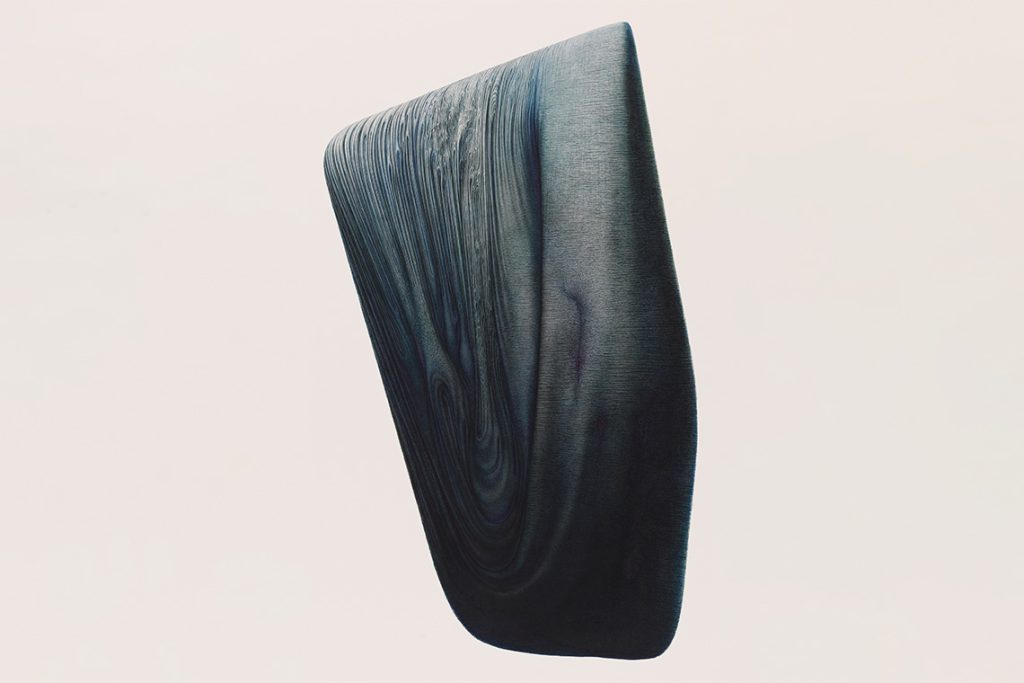
At the Tate St Ives, Ahmet Doğu İpek showcases a new series of works created during his 2025 residency at the nearby Porthmeor Studios. Ther artist’s practice focuses on watercolour, ink and charcoal on paper, using layering, repetition and detailed mark-making to create each piece. İpek’s works examines the interaction between natural forms and human-made structures, blending abstract patterns with representational elements. Rooted in close observations of landscape and material, the works reflect İpek’s sustained engagement with the geological processes and spatial memory. Moving between earthbound textures and celestial references, the exhibition invites viewers to consider the permeability between nature, time and human presence.
Iron Earth Copper Sky runs until 8 March
PROXIMITIES at Seoul Museum of Art
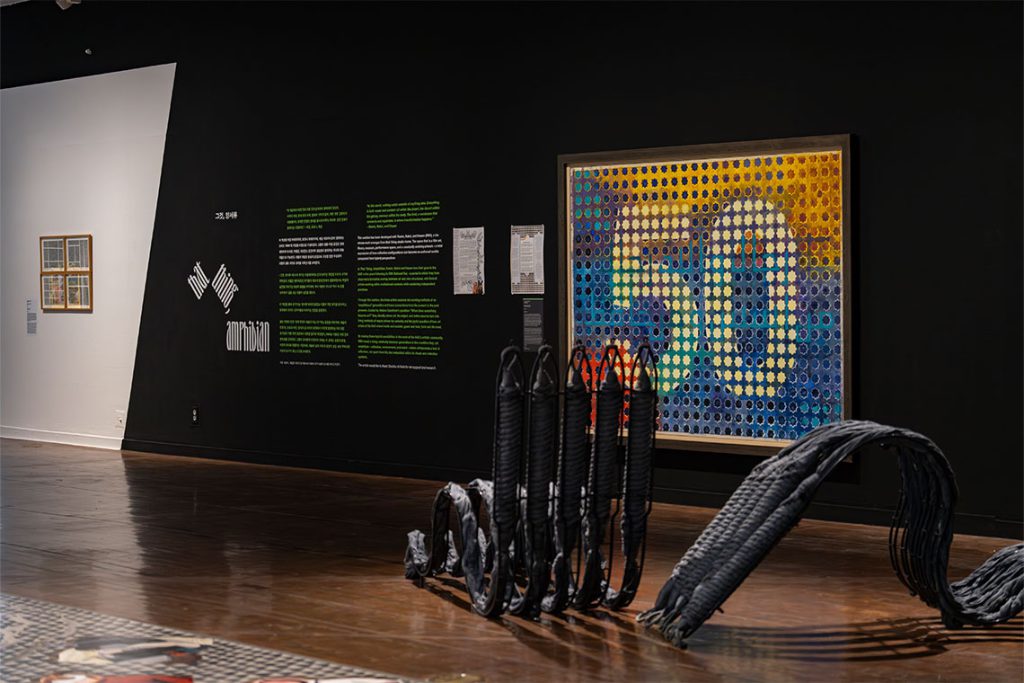
Co-curated by Maya El Khalil and Eunju Kim, PROXIMITIES marks the exchange between the UAE and South Korea, highlighting the evolution of contemporary art in the region. Presented as a collaboration between Abu Dhabi Music and Arts Foundation (ADMAF) and the Seoul Museum of Art (SeMA), the exhibition features over 110 works by 47 UAE-based artists spanning three generations. The show unfolds across three thematic sections developed with guest curators Farah Al Qasimi, Mohammed Kazem and Cristiana de Marchi, as well as the artist trio Ramin Haerizadeh, Rokni Haerizadeh and Hesam Rahmanian, exploring identity, memory, urban transformation and cultural dialogue. From immersive installations to intimate interventions, PROXIMITIES invited audiences to experience the diversity and global resonance of art from the UAE, while fostering meaningful cross-cultural dialogue.
PROXIMITIES runs until 29 March
Amphibian Aesthetics at Ishara House
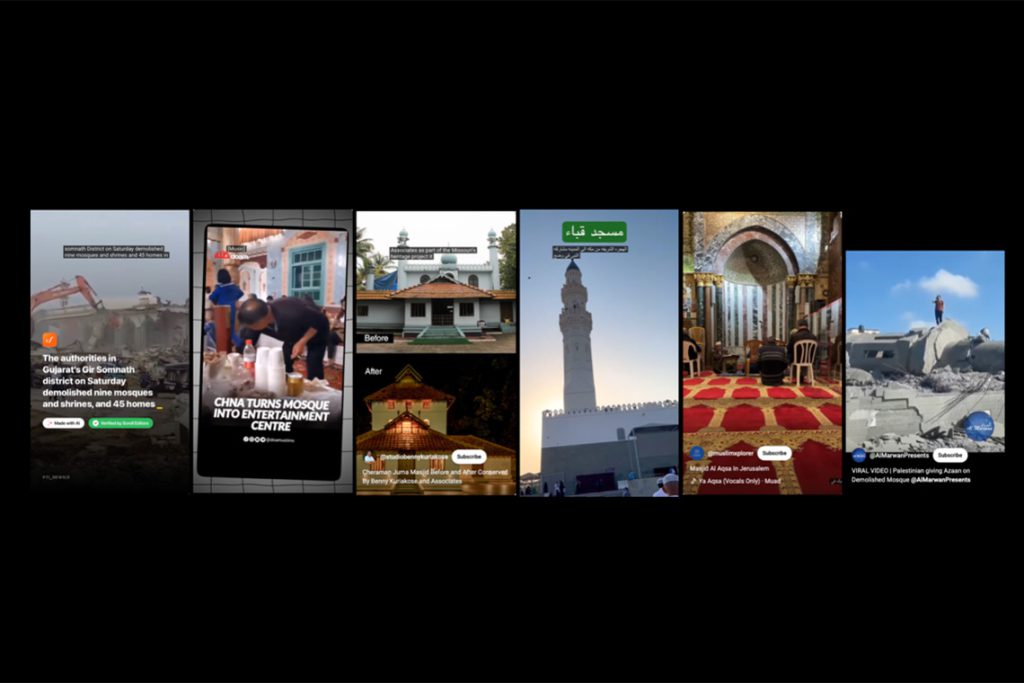
Ishara Art Foundation presents Amphibian Aesthetics, the inaugural exhibition at Ishara House, Kashi Hallegua House in Kochi. The exhibition navigates the urgencies of the Anthropocene, climate precarity, migration and extension. through art that moves fluidly between land and water, past and future and spirituality. Artists such as Dima Srouji and Rami Farook, alongside others from South Asia and Europe, explore how vulnerability and adaptability shape creative practice. Drawing on Kerala’s oceanic histories and entangled ecologies, the works provoke reflection on coexistence and resilience. Through installations and participatory programmes, Amphibian Aesthetics illuminates connections between ecological, social and artistic realms, where memory and possibility converge.
Amphibian Aesthetics runs until 31 March
Chameleon at ARKEN Museum of Contemporary Art
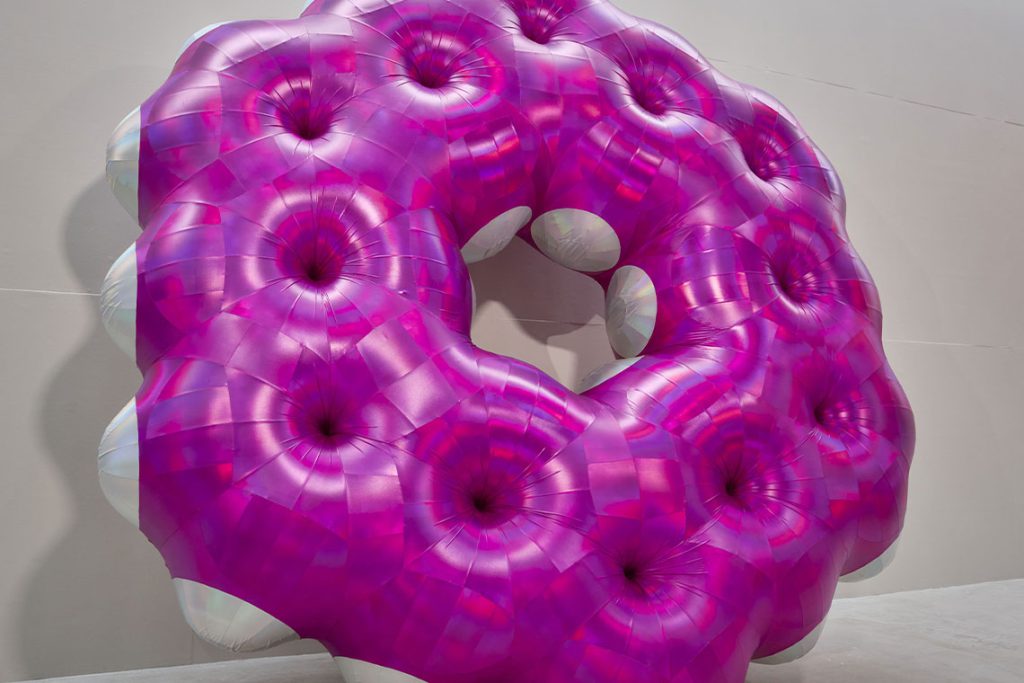
In Chameleon, Monira Al Qadiri renders oil both monumental and uncanny. Drawing on her experience of Kuwait’s rapid shift from pearl diving to petrochemical extraction, the exhibition translates industrial matter into shimmering, suspended forms. Pearlescent molecules drift through the space and drill heads levitate like alien relics. Moving between seduction and unease, Al Qadiri fuses mythology with speculative futurism to question how deeply petro-culture shapes perception, labour and desire. The exhibition is structured as a choreographed environment, asking what kinds of narratives, bodies and worlds might emerge after oil. Highlights include BENZENE FLOAT (2023-24), a series of inflatable forms in which Al Qadiri turns petrochemical molecules into playful oversized objects.
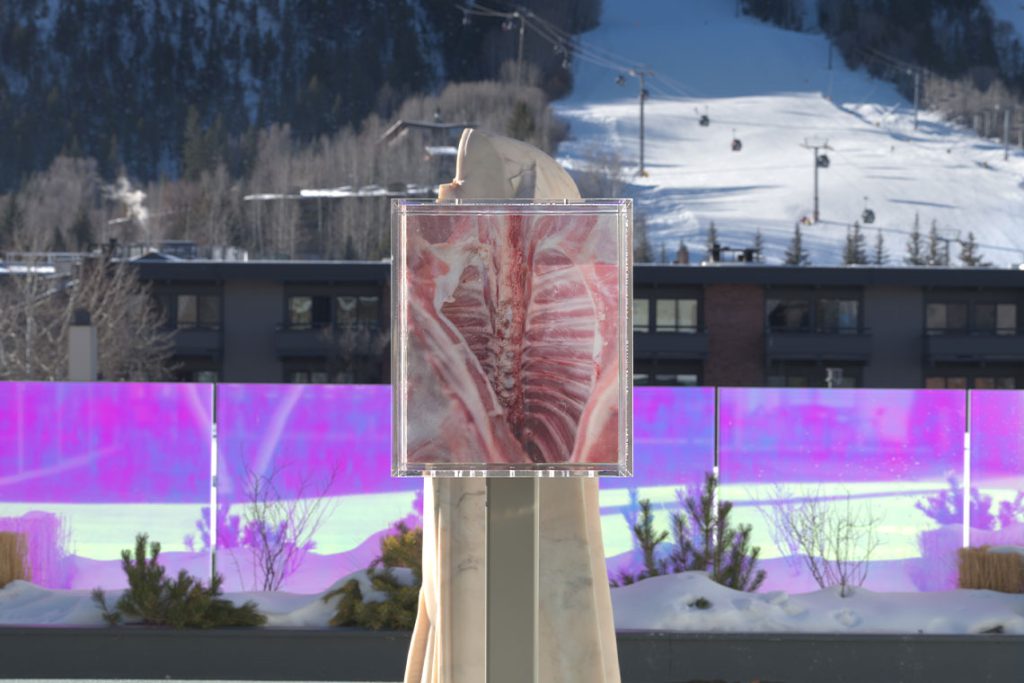
Raw is the Red at Aspen Art Museum
Set against the open alpine horizon, Shahryar Nashat’s Raw is the Red introduces stark, bodily presence to the Aspen Art Museum’s roof terrace. The installation brings together a vitrinid flesh-like form and a marble obelisk scaled to human weight, positioning the body as both the subject and structure. Sealed surfaces, reflective elements and restrained colour heighten a sense of exposure, while the surrounding mountain landscape amplifies the work’s physical and psychological tension. Removed from its original urban context at the Art Institute of Chicago in 2022, the installation engages directly with nature’s scale and indifference, transforming the terrace into a site of confrontation where vulnerability and endurance coexist.
Raw is the Red runs until 26 April

La Salle de Gym des Femmes Arabes at Aga Khan Park and Aga Khan Museum
La Salle de Gym des Femmes Arabes (The Arab Women’s Gym) is a photographic series by Hassan Hajjaj. The work focuses on women participating in sports such as boxing, surfing and soccer, emphasising their presence and activity within athletic space. Clothing, including designer-branded niqabs, patterned garments and footwear, forms part of the visual language within each photograph. The works are framed by borders inspired by North African mosaic patterns made from everyday canned goods. These borders connecting the figures to references from Pop art and consumer culture, exploring identity, representation and cultural expression within shared social spaces.
La Salle de Gym des Femmes Arab runs until 31 May
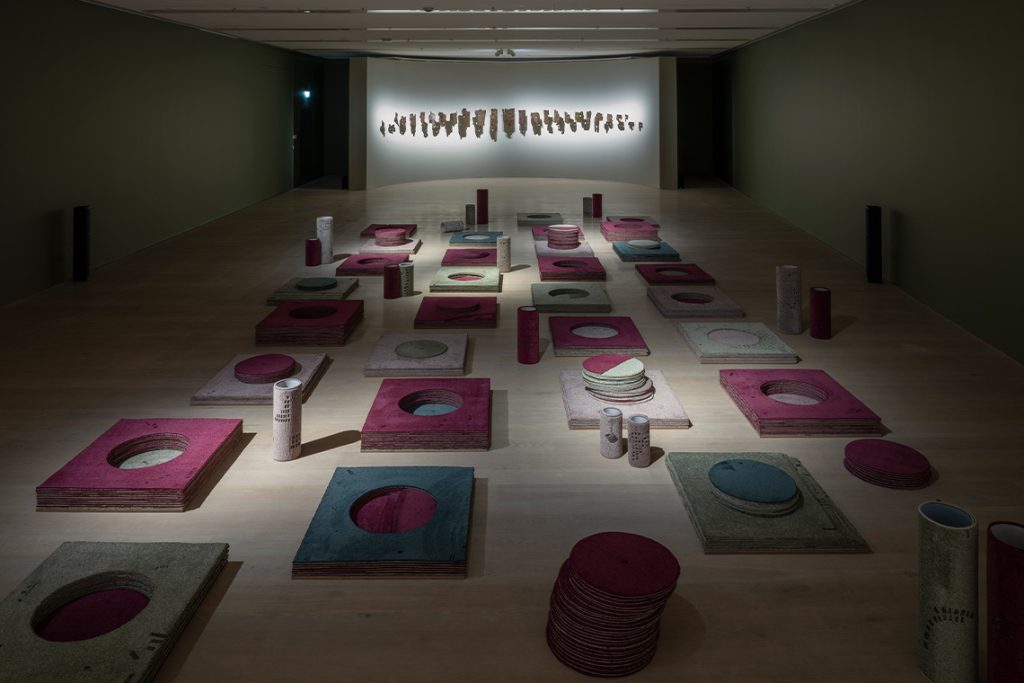
Photography by Murat Germen. Image courtesy of Arter
Phantom Quartet at Arter
Through Phantom Quartet, artist Hera Büyüktaşcıyan explores the delicate interplay of urban histories and the traces of personal memory. Curated by Nilüfer Şaşmazer, the exhibition draws on Büyüktaşcıyan’s connection to the neighbourhoods of Kurtuluş and Tarlabaşı in Istanbul, weaving together fragments of the city with imagined landscapes shaped by echoes, voids and recollection. Visitors navigate four immersive chapters: Necropolis, Courtyard, Avenue and Gaze, where elemental forces of fire, water and earth subtly infuse the works. Surfaces, textures and sounds reveal lingering presences while evoking what has been erased. By highlighting dualities – past and future, body and spirit, Büyüktaşcıyan creates a sensory experience that brings histories and invisible forces into view.
